About the Order
Papal Knighthood
Orders of the Church and honours of the Holy See.
Two kinds of knighthood
Two living chivalric Orders are recognised and supported by the Holy See; five Pontifical Orders are honours the Pope bestows on individuals. The difference matters, and it is where the Order of the Holy Sepulchre belongs.
Chivalric Orders recognised and supported by the Holy See
Historic institutions with their own membership, governance, spirituality and continuing mission, not merely honours awarded to an individual.
Religious order and sovereign entity
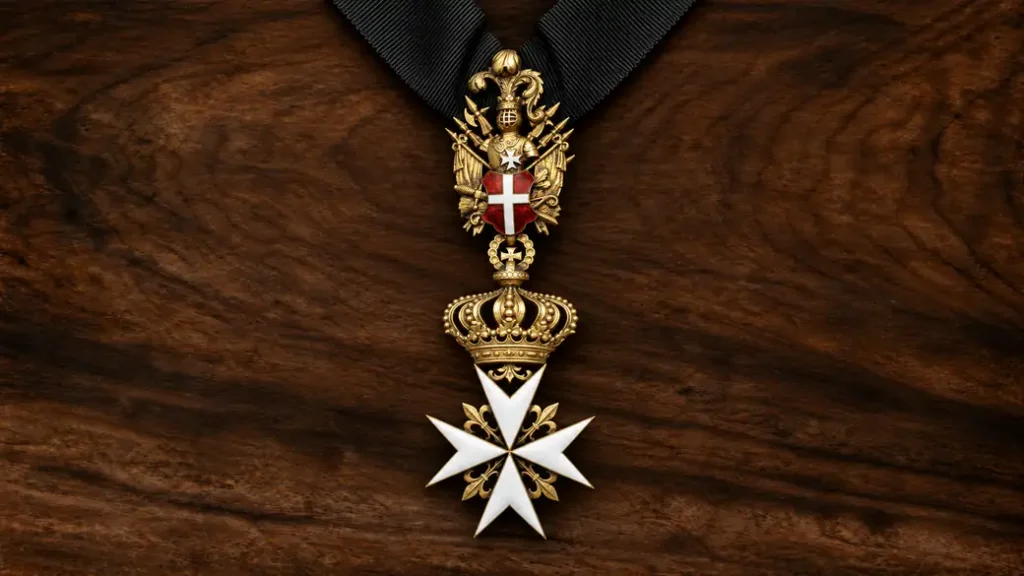
Sovereign Military Hospitaller Order of St. John of Jerusalem, of Rhodes and of Malta
Commonly the Sovereign Order of Malta. Founded around 1048 as a hospital for pilgrims in Jerusalem and recognised by Pope Paschal II in 1113, the Order still lives its motto Tuitio fidei et obsequium pauperum through hospitals and relief work on every continent.
Nature: a Catholic religious order and a sovereign subject of international law.
Head: the Prince and Grand Master, in Rome.
Our Order
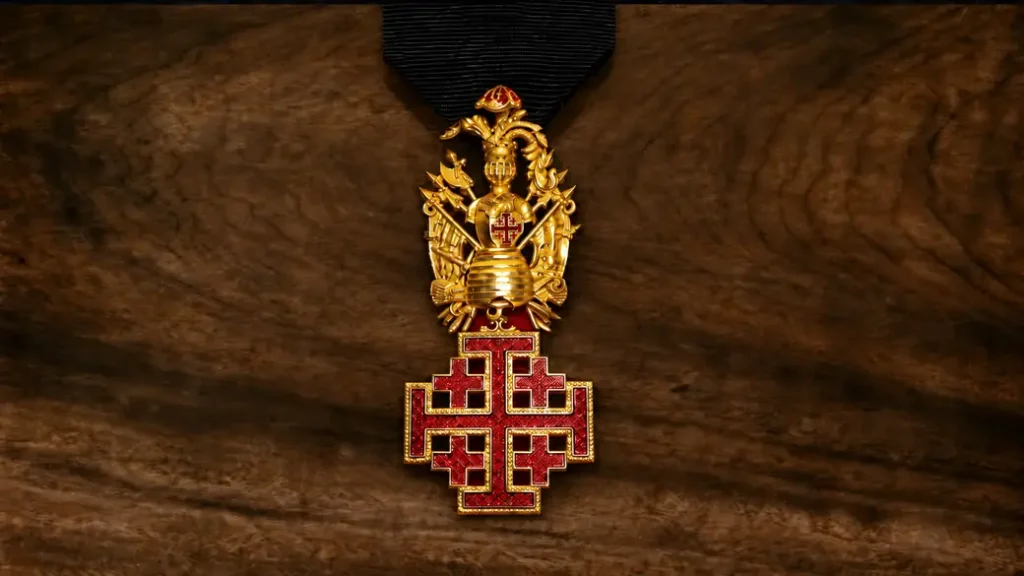
Equestrian Order of the Holy Sepulchre of Jerusalem
Tracing its origins to the knights who guarded the Tomb of Christ, and re-established by Pius IX in 1847, the Order sustains the Church in the Holy Land and calls its Knights and Dames to a visibly Christian life.
Nature: a public juridical person under canon law and a Central Entity of the Catholic Church.
Head: a Cardinal Grand Master appointed by the Pope.
Pontifical Orders of Knighthood
Honours of the Holy See, bestowed by the Pope upon individuals in recognition of distinguished service to the Church, society or the Holy See, in order of precedence.
I
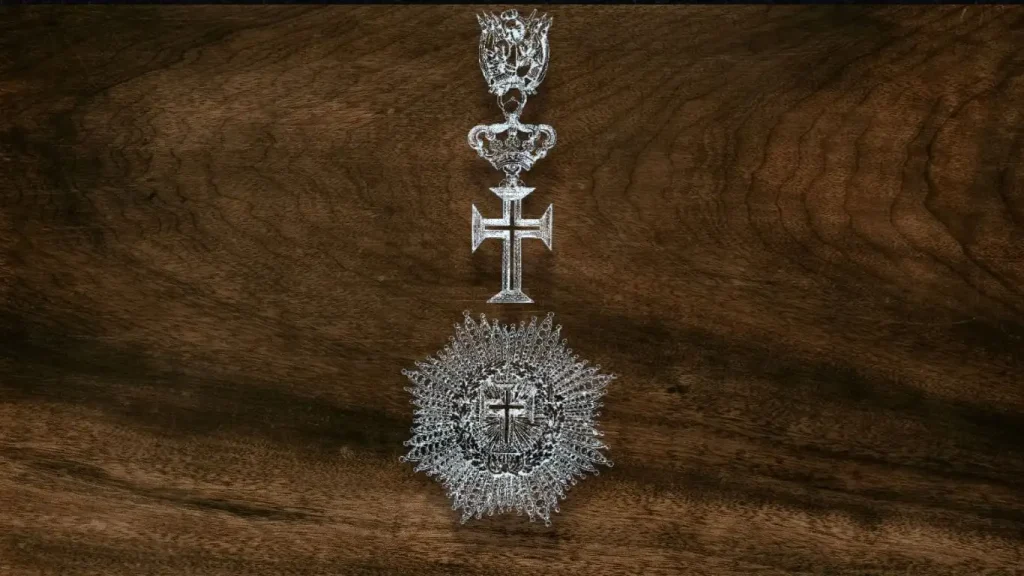
Supreme Order of Christ
Since 1319. Reserved to Catholic heads of state.
The highest order of chivalry awarded by the Pope, descended from the Portuguese Order of Christ that succeeded the Templars. Conferred only on the rarest occasions, and not since 1987.
II
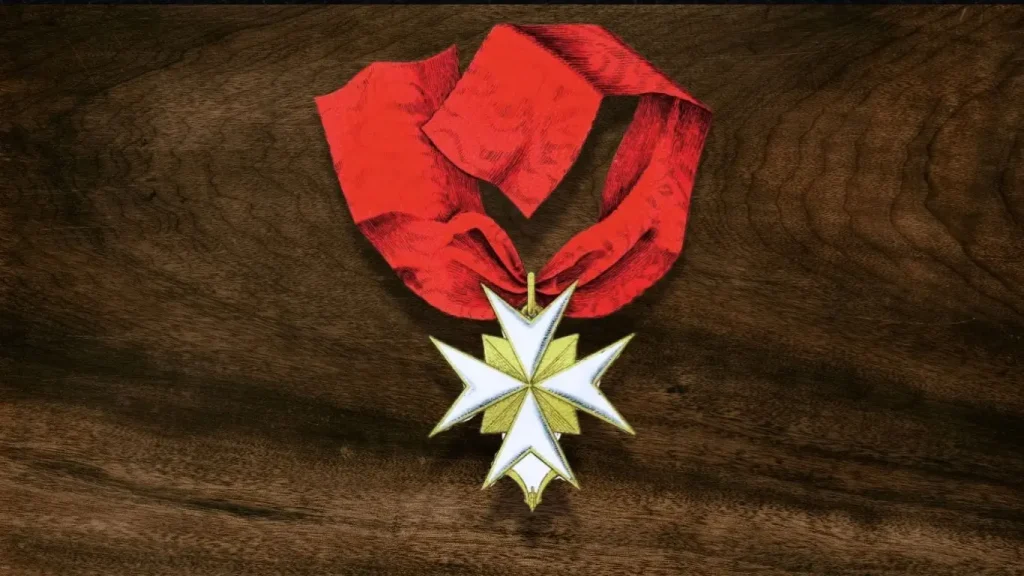
Order of the Golden Spur
Also the Order of the Golden Militia. Limited to 100 knights.
The oldest of the papal orders, reorganised by Pope St. Pius X in 1905 and, since 1966, reserved to Christian sovereigns and heads of state.
III
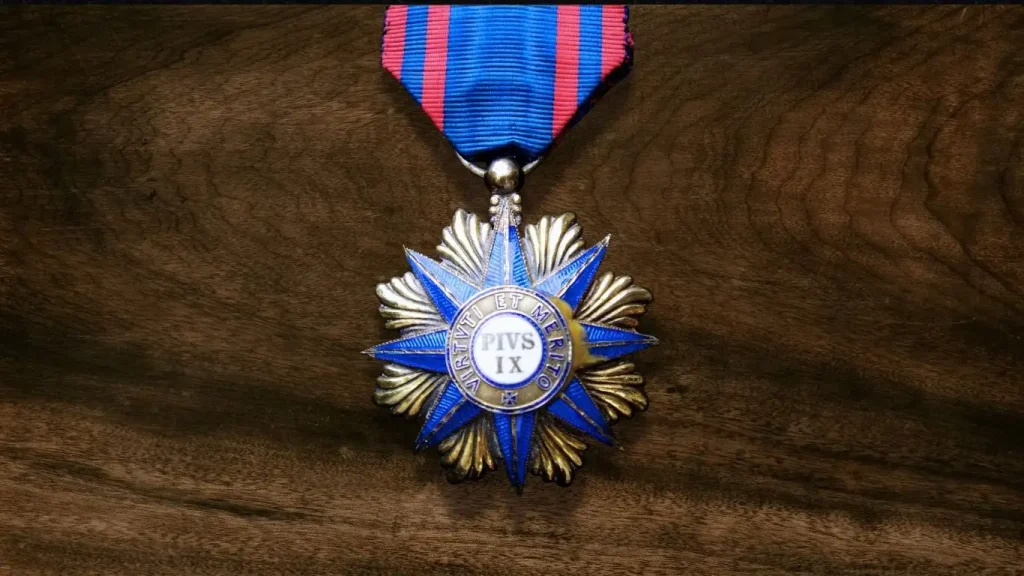
Order of Pius IX
Also the Pian Order. Since 1847.
Founded by Pius IX on 17 June 1847, it is the highest pontifical order regularly conferred on the laity, Catholic or not, customarily on ambassadors to the Holy See and distinguished public figures.
IV
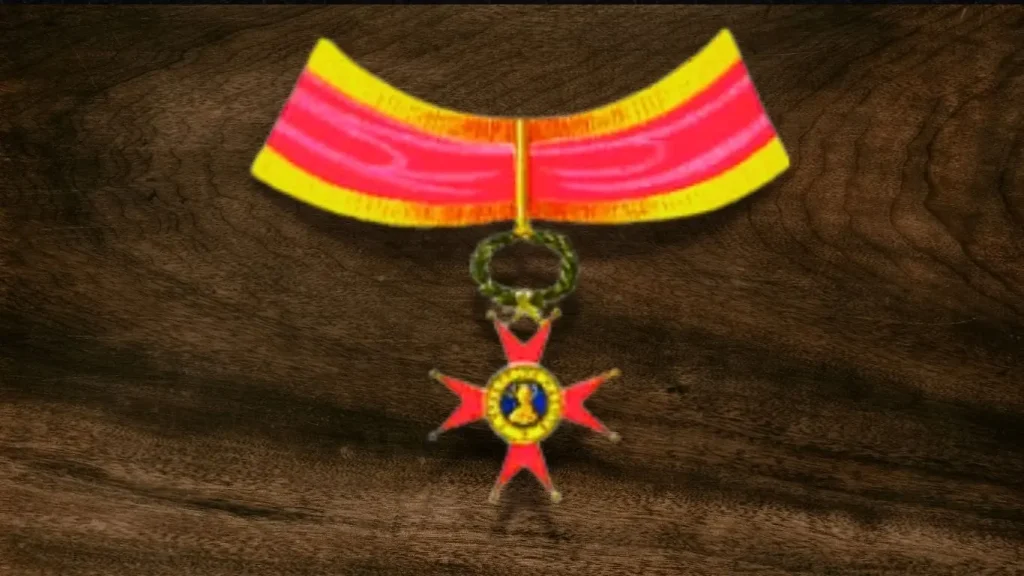
Order of St. Gregory the Great
Since 1831. Given for conspicuous service to the Church.
Established by Gregory XVI in 1831, it is awarded in four classes, usually on a bishop’s recommendation, and is the preferred papal award of merit for individual service to the Church.
V
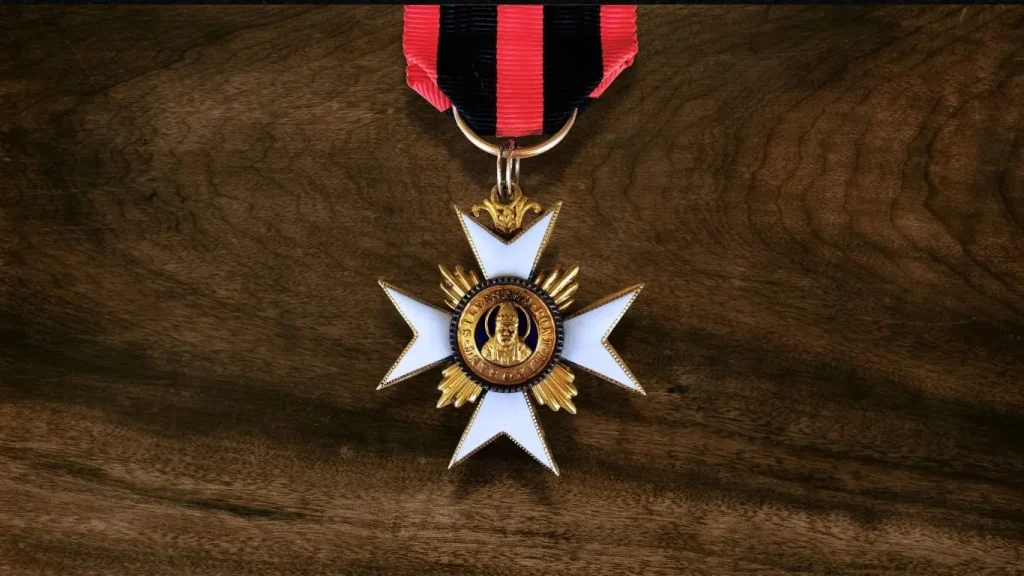
Order of Pope St. Sylvester
Since 1841. Given for lay service in the apostolates.
Reformed by Gregory XVI in 1841 and given its present form in 1905, it recognises members of the laity for active service in the apostolates and may also be presented to non-Catholics.
The Order in Toronto
The Lieutenancy of Canada, Toronto is one of more than 60 Lieutenancies worldwide. Learn how it is organised and what its members do.
Our Organization Activities